
Camper Paulownia Crossed Laminated Panel (CLT)
Strength-weight relation similar to aluminium
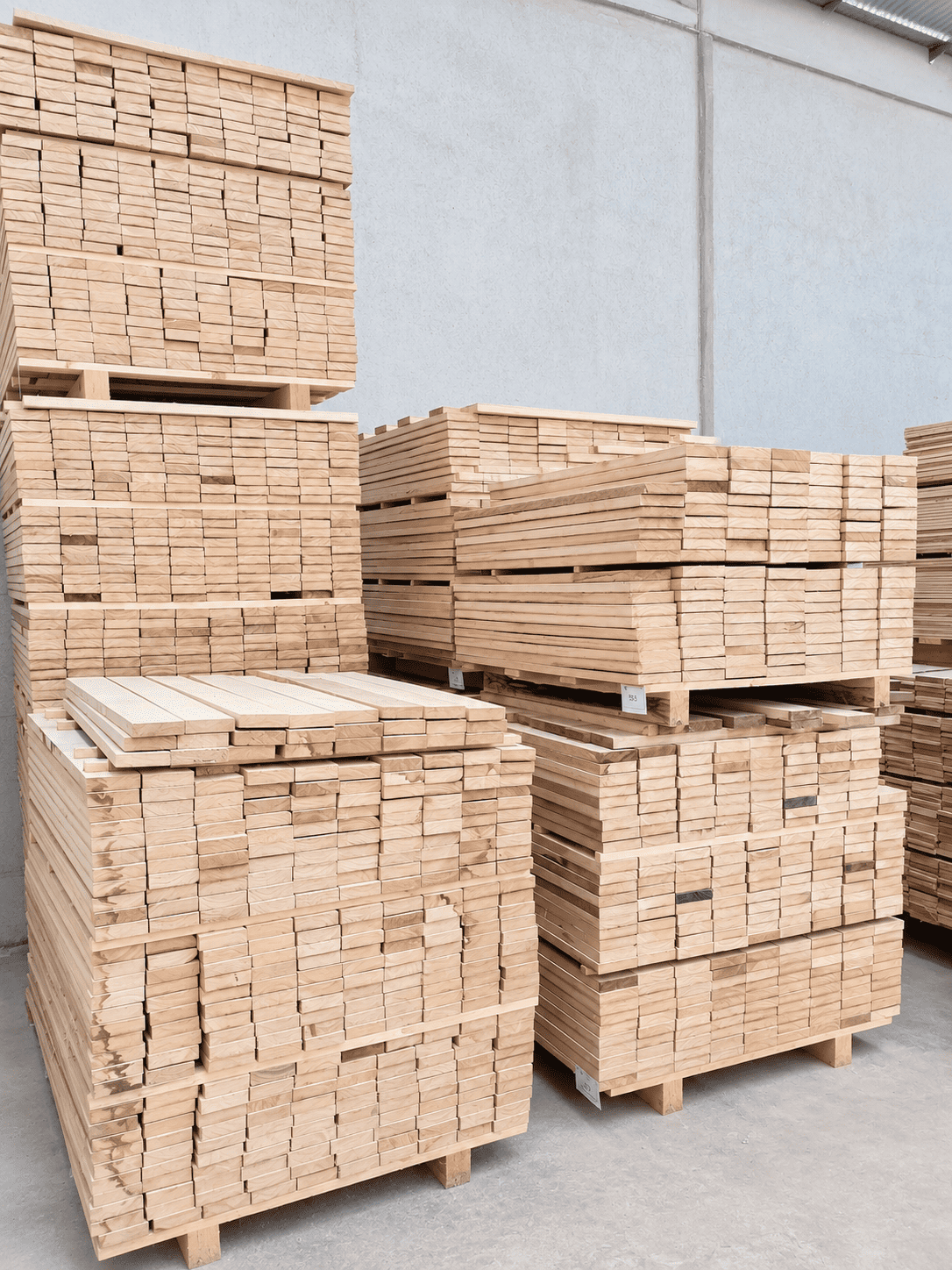
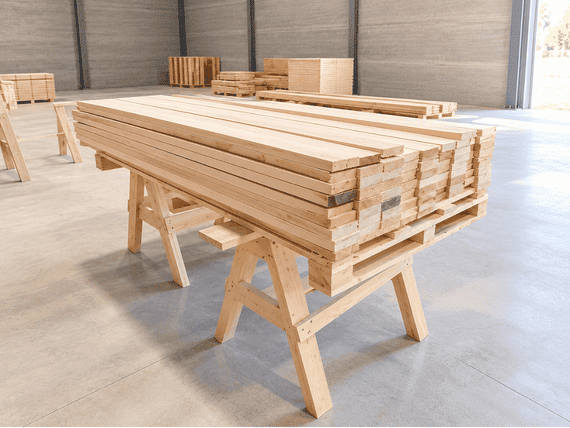
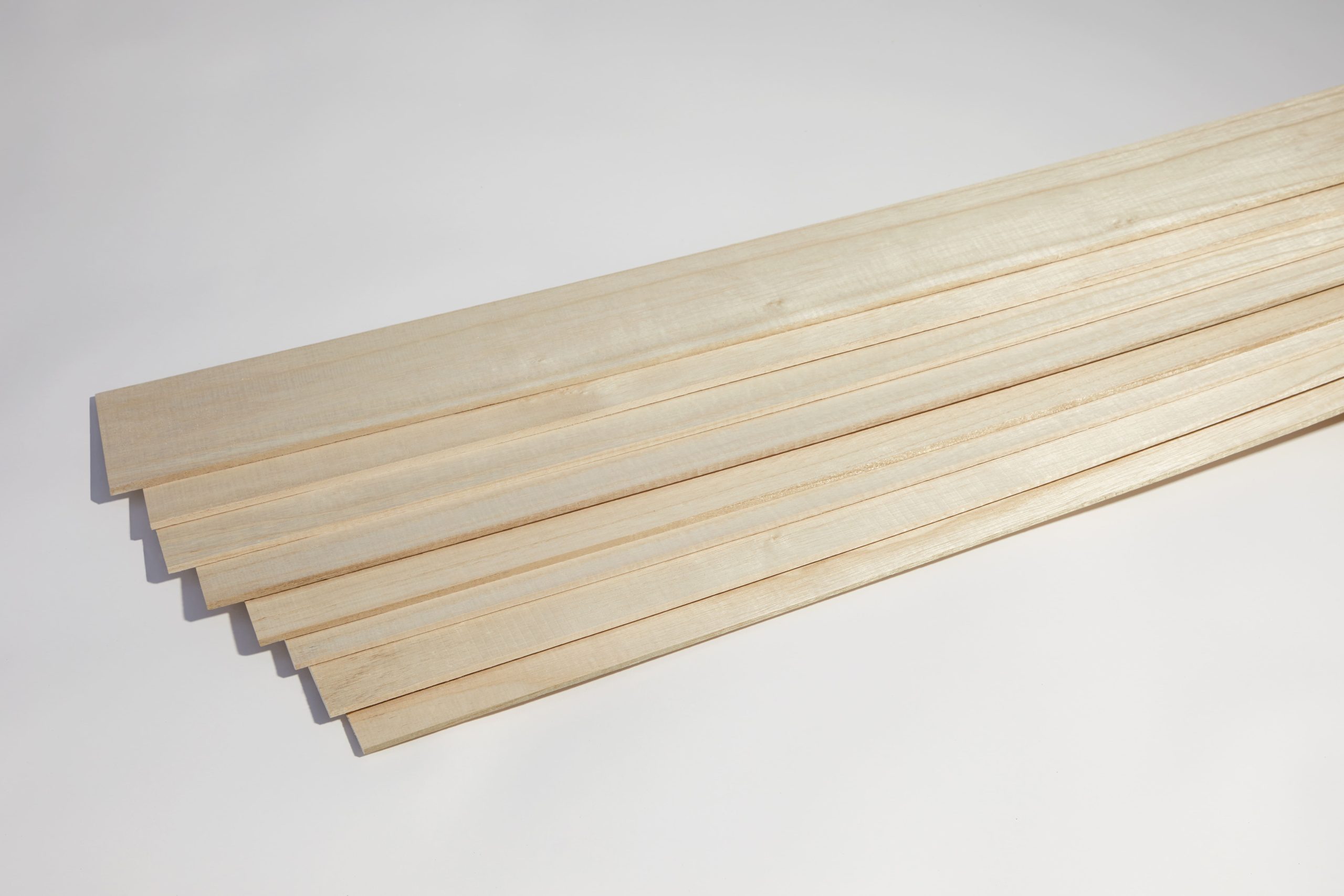
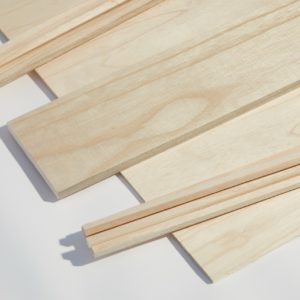
Planed finished paulownia wood for sale;
Paulownia boards for sale of different lengths, widths and thicknesses.
Please, select the sizes you would like to be quoted on and we will get back with the best transport cost.
30 boards PROMO CODE 5OFF
50 boards or more PROMO CODE 10OFF
If you need assistance with this product, please contact us.
Contact UsThe paulownia wood posses many exceptional properties that allows it to be used in many ways.
Paulownia timber main characteristics are:
1. Weight – Paulownia is a very light timber. At a dry density of around 270 kg/m3, paulownia is lighter than most common timbers. Density comparisons are Western Red Cedar (340), Pine (500), Teak (750).
2. Strength – With a modulus of elasticity of 5.6 GPa and a modulus of rupture of 28 MPa, paulownia timber is not classified as a structural timber in its natural state. However, because of its light weight, paulownia has a high strength to weight ratio, an important feature in the various uses of the timber.
3. Deformation & Warping – The shrinkage co-efficient of paulownia is very low compared to most timbers being 0.094 radially, 0.268 tangentially and 0.362 in volume, giving the dried timber a high level of dimensional stability.
4. Hardness – The Janka hardness rating for paulownia is low at 1.3 kN. Western Red Cedar is rated at 1.5 and Meranti 2.6. While modern treatments can substantially harden up a finished surface, Paulownia is not suitable for flooring or areas where physical damage is likely.
5. Durability – The in-ground durability rating for Paulownia is 4 and the timber should not be used for that purpose. Paulownia used for other external uses out of ground has a similar durability to western red cedar and should be treated with at least two coats of a water repellent sealant.
6. Resistance to Decay – Paulownia is highly resistant to insect attack and rot. Researchs indicates the timber to be unattractive to termites. Rot showing on neglected timber tends to be surface deep only.
7. Thermal Insulation – With one of the lowest thermal conductivities for wood of just 0.07 Kcal/m/hr/Cdeg, paulownia has an excellent heat insulation capability being one of the best heat insulating timbers and far superior to brick, concrete or steel.
8. Fire Resistance – With an auto ignition temperature of around 400 deg C (most hardwoods around 220 deg C) Paulownia is reported to have a flame spreading rate considerably below most building codes.
9. Finishing – The sap of paulownia is not gum or resinous based, thus the application of finishing products with various solvents as carriers does not risk any interaction with the timber, contributing to the very good finishing properties of paulownia products. The timber readily takes stains, estapols and paints with excellent finished surfaces.
10. Workability – A major feature of Paulownia timber is its ease of working. All aspects of carpentry such as machining, nailing, screwing, gluing, sanding, sawing and handling are very user friendly with no splinters, cracking or splitting and excellent take-up of glues and finishes.
Planed finished boards of paulownia wood for sale:
Paulownia boards for sale of different lengths, widths and thicknesses.
| Length | 1000 mm, 1500 mm, 2000 mm, 2400 mm, 3000 mm |
|---|---|
| Width | 100 mm, 120mm, 150 mm |
| Thickness | 10 mm, 15 mm, 20 mm, 25 mm, 30 mm, 5 mm |